Difference Between Basement Renovation and Basement Remodelling

Assured Basements • April 8, 2022

The terms renovation and remodelling are often used interchangeably. Still, if you’re planning some significant basement improvements, it is best to know the proper terminology before looking for a contractor. While both renovation and remodelling will update and improve your basement that best suits you.


 The two types of projects are very different, each with its considerations.

So, What is the Difference?
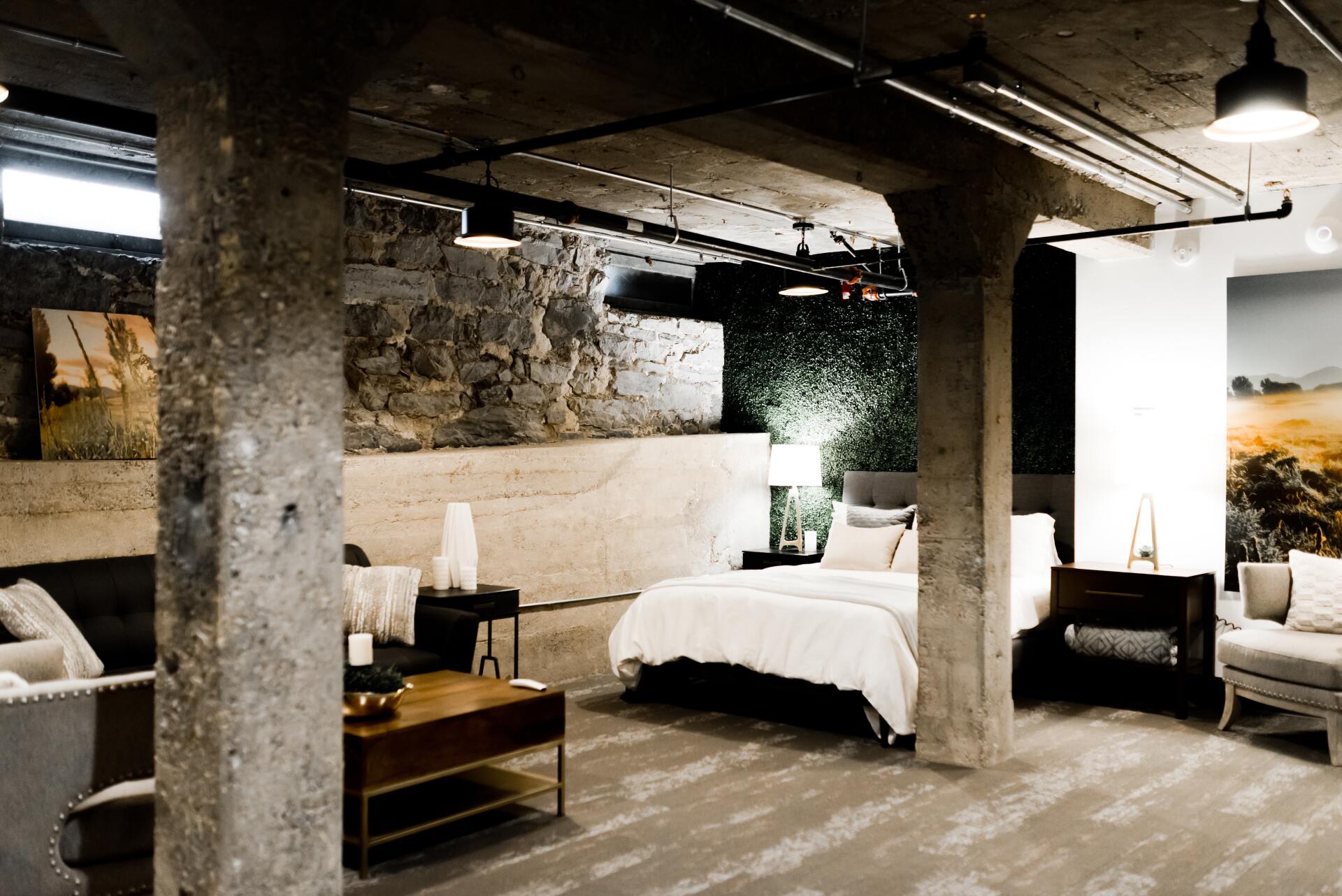
basement renovation contractor


Basement renovation involves making improvements by doing repairs and upgrading some aspects of the basement. Renovations tend to be smaller than remodels and more affordable. The aim of basement renovation is to restore a damaged basement to its useful state or make appealing upgrades that will refine your basement's appearance. When it comes to basement renovation means the original structure of a home is not replaced or changed, it’s updated to reflect new designs or style.
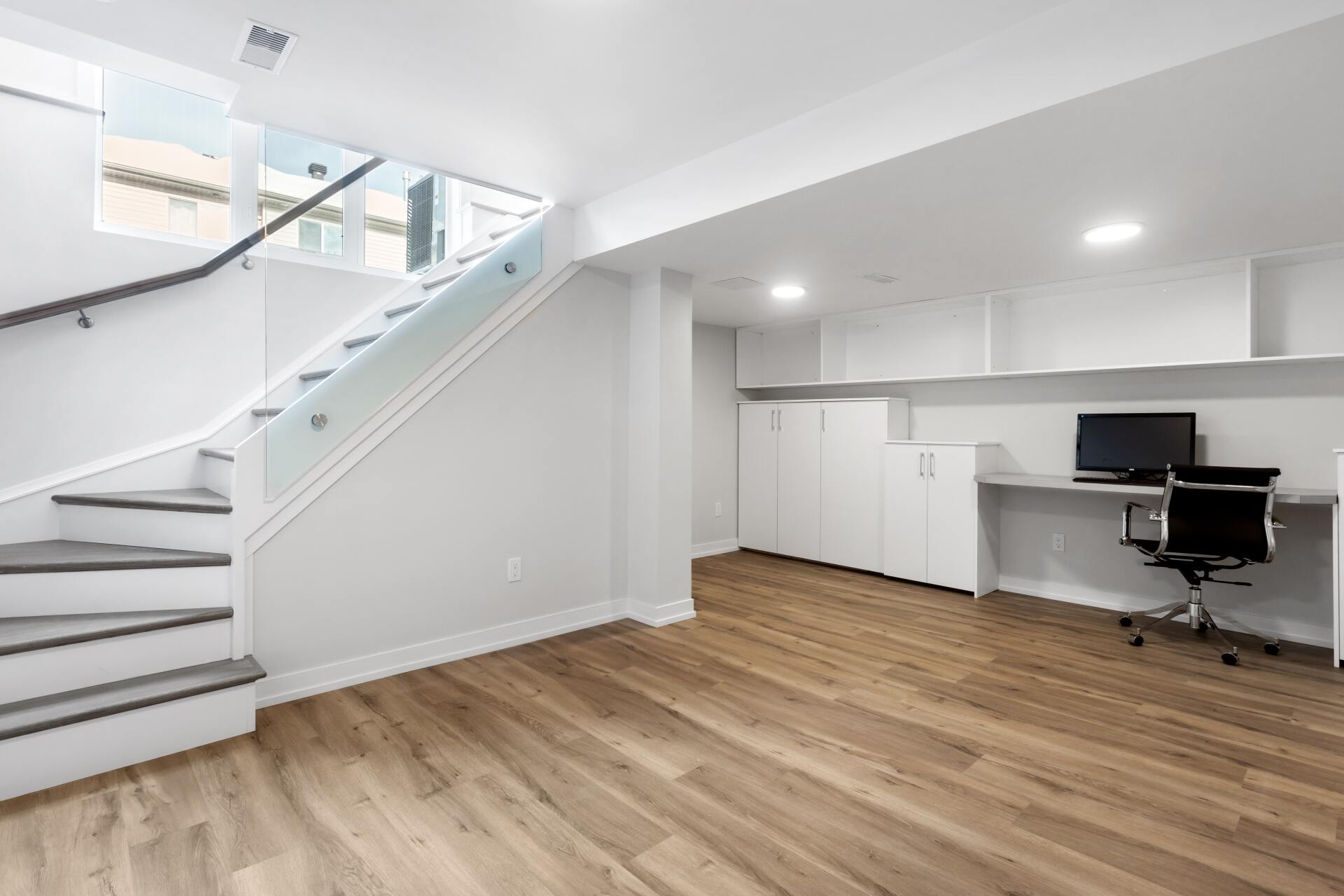
 

basement remodelling services


Basement remodelling is like a renovation but it goes step further than renovating on a larger scale. A basement remodelling can make changes on structural features to the design and the layout of the basement. It means a basement reconfigure either adding or taking away from the existing layouts. Since remodelling involves changing the physical structure of a basement which makes the project more complex and pricey. More professional labor is usually involved in remodelling, and the material cost is often higher as well. 


Knowing the difference between basement renovation and basement remodelling allows you to understand what are your options. While both add value to your basement, remodelling usually requires more extensive work and will, therefore, cost more than a renovation. The next step is deciding to make the choice: renovate vs remodel.


As a result, you will make much wiser choices to: 


  1. Determine the type of basement project according to your budget
  2. How to utilize your basement
  3. Look for the best basement contractor


Do it Yourself vs. Hiring a Pro

Renovation is generally more do-it-yourself friendly because the jobs don’t involve structural changes.So, if you have the time and skills, you can at least handle the job yourself.


When it comes to remodeling, this is a job definitely best left to the professionals. Hire a local basement contractor to take care of the entire project and let them worry about it as well as acquiring permits and making sure the work is up to code.

Which Is Best for You?

It really depends on what state the basement is currently in and what you want from the space.  

If you’re curious, you can learn all about what project type will best suit your needs either renovation or remodelling, as well as how to best allocate your budget.

Our team is trained to be very detailed, and will give you an in-depth explanation of each product used in your basement renovation. Since transparency is one of our core values, we don’t mind sharing valuable information to make you a more educated and satisfied customer.

Feel free to contact us, our professional team is always happy to help.

You might also like
July 2, 2026
Why Basement Bedrooms Matter More Than Homeowners Often Expect A basement bedroom can completely change how useful a lower level feels. For some homeowners, it creates a comfortable place for guests. For others, it gives an older child more privacy, supports multigenerational living, or adds flexibility to the home for years to come. In many Ontario homes, the basement is the one area with enough untapped square footage to solve these needs without forcing a move or a major addition. That is why more homeowners are looking at basement bedroom ideas not just as a design project, but as a practical way to make the whole house work better.  A well designed basement bedroom should never feel like an afterthought. It should feel bright enough to enjoy, comfortable enough to sleep in, and finished enough that it truly feels like part of the home. That is where design makes a huge difference. The right layout, lighting, flooring, storage, and finishes can turn a lower level bedroom into one of the most useful rooms in the house. A Basement Bedroom Should Feel Like a Real Bedroom, Not Extra Space With a Bed One of the biggest mistakes homeowners make is assuming a basement bedroom only needs the basics. A bed, a lamp, and a painted wall are rarely enough to make the room feel complete. If the goal is for the space to feel truly livable, it has to go beyond that. The bedroom should have the same sense of comfort and intention as any main floor or second floor bedroom. That means the room needs to feel settled. It should have a clear layout, enough storage, good access to lighting, and finishes that feel warm rather than temporary. It should also feel connected to the rest of the basement and the rest of the home. A basement bedroom does not need to be overly decorated or oversized, but it should feel planned. This is one reason many homeowners begin by looking at a full basement renovation ⁠ rather than trying to solve one room in isolation. When the lower level is designed as a complete living environment, the bedroom tends to feel much more natural and much more valuable in the long run. Light Is What Often Changes the Room Most If there is one thing that most strongly affects how a basement bedroom feels, it is light. Lower levels naturally have less daylight, which is why a basement bedroom can quickly feel dim if the lighting plan is not handled carefully. This is often the biggest hesitation homeowners have, and it is also where some of the best basement bedroom ideas begin. A brighter basement bedroom starts with making the most of whatever natural light is available. Window placement should be respected, not blocked with oversized furniture or heavy storage. Lighter finishes on walls and flooring can help reflect more light through the room. After that, artificial lighting becomes especially important. A basement bedroom should have comfortable overhead lighting, softer bedside lighting, and enough balance that the room feels restful at night but open during the day. The goal is not to make the room feel harshly bright. It is to make it feel fresh, warm, and easy to spend time in. Layout Has to Support Rest and Privacy A basement bedroom often succeeds or fails based on layout. The room needs to feel private enough to rest well and practical enough to use daily. That means thinking about what sits outside the room, where noise may travel from, and how someone moves into and through the space. If the basement includes a lounge, family room, or wet bar, the bedroom should not feel like it is sitting in the middle of those higher traffic areas. It should feel slightly removed, even if the basement itself is fairly open. In some lower levels, that means using a more enclosed room plan. In others, it means thoughtful placement within the broader basement layout so the bedroom still feels quiet and separate. A good layout also makes the room feel larger. Bed placement matters. Door swing matters. Circulation space matters. A bedroom that technically fits furniture but feels tight or awkward never really feels finished. Color and Finish Choices Should Make the Room Feel Calm Basement bedrooms usually work best when the finish palette leans calm rather than busy. Because the room already starts with less natural light than an upper level bedroom, overly dark or highly contrasting finishes can sometimes make it feel smaller or heavier than it needs to be. That is why many homeowners in 2026 are choosing softer neutrals, warm whites, gentle taupes, muted greys, and natural wood accents in basement bedroom design. These kinds of finishes help the room feel restful and brighter without making it bland. They also connect well with other finished basement areas, which matters if the lower level includes a bathroom, guest suite, or sitting area nearby. A cohesive finish palette helps the basement feel like a complete level of the home rather than a separate design world downstairs. Storage Is What Makes the Bedroom Actually Work A basement bedroom needs storage if it is going to feel like a true living space. Without it, the room quickly starts feeling temporary. Even if the bedroom is mainly for guests, there still needs to be somewhere for clothing, personal items, extra bedding, and smaller essentials to go. If the room is meant for more regular use, storage becomes even more important. Closets are ideal, of course, but well planned dressers, built ins, and wall mounted storage can also make a major difference. The key is to ensure the room does not rely entirely on open floor space to solve every practical need. Storage should be part of the design, not something forced into the room later. This is one area where a more complete basement remodelling ⁠ plan often creates a much better result. When cabinetry, room layout, and storage are considered early, the bedroom feels more intentional and less compromised. Flooring Should Feel Warm and Comfortable Basement bedrooms need flooring that feels good underfoot and works well in a below grade space. This is not only about style. Comfort matters more in a bedroom because it is one of the rooms where people are most aware of how the space feels. If the floor is too cold, too harsh, or visually disconnected from the rest of the basement, the room can feel less welcoming. Luxury vinyl plank continues to be a strong choice because it offers warmth in appearance, durability in performance, and a finish that works well throughout a basement. Area rugs can then soften the room even further and help define the sleeping zone visually. In some homes, carpet may still be used depending on the rest of the basement plan, but the broader point remains the same. A basement bedroom floor should feel warm, finished, and comfortable enough to support everyday use. Sound Control Is More Important in Basement Bedrooms Than Many People Expect Because basement bedrooms often sit below busy family areas, sound control matters more than many homeowners initially realize. Footsteps, televisions, kitchen noise, and general movement upstairs can affect how restful the room feels. If the basement includes entertainment areas or family zones nearby, that becomes even more important. A quieter basement bedroom feels significantly more private and more complete. It does not just improve sleep. It improves the overall impression of the room. Guests feel more comfortable. Family members using the space long term feel more settled. The basement itself starts to feel more like a true extension of the home. This is one of the details that can separate a basic lower level bedroom from one that feels professionally planned. A Basement Bathroom Nearby Makes the Bedroom Far More Useful If the basement bedroom is part of a larger renovation, one of the strongest upgrades it can be paired with is a bathroom. A nearby lower level bathroom makes the room dramatically more functional, whether it is being used by guests, family, or someone living in the basement more regularly. It gives the lower level more independence and makes the bedroom feel like part of a complete suite rather than an isolated room. That combination is especially appealing for homeowners who may be thinking beyond immediate use. A basement bedroom with bathroom access can support guests now and offer more flexible living options later. It adds both present day comfort and long term value. Basement Bedrooms Work Especially Well in Guest and Family Focused Lower Levels One reason basement bedrooms continue to be so popular is that they support many different household needs without requiring the home to change dramatically. A guest bedroom can make visiting family much more comfortable. A bedroom for an older child can create privacy and breathing room upstairs. A flexible bedroom can also support work from home living if it needs to serve double duty later. That versatility is part of what makes basement bedroom ideas so valuable. Homeowners are not just adding another room. They are creating one of the most adaptable rooms in the house. If the basement is already being upgraded as part of a broader lower level transformation, adding a bedroom is often one of the most practical ways to increase how useful the whole space becomes. If homeowners want to see how different lower level rooms come together in completed projects, the Our Work ⁠ gallery is often one of the best places to start. It helps show how finished basements can balance comfort, function, and design across multiple types of rooms. A Basement Bedroom Adds Real Resale Appeal From a resale perspective, a basement bedroom is one of those features buyers tend to understand quickly. Even if they would use the room differently, they can immediately see its potential. It might become a guest room, a teen bedroom, a hobby room, or a quiet retreat. That broad usability is what gives the space value. A basement that includes a bright, finished, well planned bedroom tends to feel more complete than one that is only open recreation space. It suggests that the lower level has been thoughtfully designed to support real living. That can help the home stand out, especially in markets where flexible usable space matters more than ever. Why Professional Basement Planning Makes the Bedroom Feel Complete A basement bedroom seems simple on the surface, but getting it right requires more coordination than many homeowners expect. Lighting, layout, comfort, sound control, storage, finish selection, and the connection to the rest of the basement all have to work together. In a below grade space, that level of planning becomes even more important. That is why working with basement specialists matters. A team that understands lower level design can help create a bedroom that feels calm, bright, and fully integrated into the home rather than added in as an afterthought. It is often the difference between a room that technically works and one that actually feels great to use. A Basement Bedroom Should Feel Bright, Restful, and Fully Part of the Home The best basement bedroom ideas do more than fit a bed into the lower level. They create a room that feels warm, private, comfortable, and fully finished. In 2026, more Ontario homeowners are turning to basement bedrooms because they want lower levels that support guests, family life, and long term flexibility in a meaningful way. With the right layout, lighting, finishes, and storage, a basement bedroom can become one of the most useful and most appreciated spaces in the house. If you are planning a lower level upgrade and want a basement bedroom that feels bright, comfortable, and beautifully connected to the rest of the home, visit the Contact page ⁠ or call 1-866-580-8484 to connect with Assured Basements.
How to Create a Basement Lounge That Feels Like a True Extension of Your Home
June 24, 2026
Why Some Basements Feel Finished but Still Do Not Feel Connected A basement can be fully renovated and still feel separate from the rest of the house. That happens more often than homeowners expect. The flooring may be new, the walls may be painted, and the furniture may be in place, but something still feels slightly disconnected. Instead of feeling like another natural living area, the lower level can end up feeling like a secondary zone that gets used only occasionally. That is exactly why basement lounge design matters so much. A lounge is not just a place to put a sofa. It is a space that should feel calm, welcoming, comfortable, and fully tied into the way the home already lives.  For homeowners across Toronto, Mississauga, Brampton, Vaughan, Kitchener, London, and surrounding Ontario communities, the goal is increasingly not just to finish the basement but to make it feel like a true extension of the home. That means the lower level has to carry the same emotional warmth and design confidence as the main floor. It needs to feel like a place where people naturally gather, unwind, host, and spend time, not just a room downstairs that happens to be available. A Basement Lounge Should Feel Lived In, Not Just Styled One of the biggest differences between a successful basement lounge and an average finished basement is whether the room feels genuinely livable. A basement lounge should support real routines. It should feel like the kind of space where someone can have a quiet coffee, sit with family, watch a show, host a few friends, or simply decompress at the end of the day. If the room looks polished but feels stiff or underused, it is missing the point. This is where many homeowners start to rethink what they want from a basement renovation. Instead of designing purely around a television or a single feature, they begin focusing on how the room should actually feel. Comfortable seating, a warm layout, layered lighting, quiet storage, and a strong sense of cohesion usually matter much more in the long run than trying to make the room overly dramatic or trend heavy. Why the Best Basement Lounges Feel Consistent With the Main Floor If a basement is supposed to feel like a true extension of the home, then it should not look or feel like it belongs to a completely different house. That does not mean the design has to be identical to the main floor, but it should feel related. The materials, tones, style direction, and overall atmosphere should connect naturally so that going downstairs still feels like being inside the same home. This can happen in subtle ways. Similar flooring tones, compatible paint colors, consistent trim details, related hardware finishes, and complementary lighting styles all help build that connection. Even when the basement has its own personality, it should still feel like part of the same design story. This is one reason homeowners often start by looking at completed projects before planning their own lower level. Seeing real examples helps clarify how a basement can feel cohesive without simply copying the rooms upstairs. Comfort Should Lead the Design A basement lounge will never feel successful if comfort is treated as secondary. This is one of the main reasons lounges differ from more utilitarian basement layouts. The room has to invite people in. It should feel soft enough to relax in, open enough to breathe in, and warm enough that people naturally want to stay there. That usually starts with seating. A basement lounge needs furniture that supports conversation, lounging, and flexibility. A well sized sectional often works well because it gives the room a more grounded and welcoming feel. In other homes, a sofa with a pair of chairs may create a better balance. The right answer depends on the room size and how the space will be used, but the goal is always the same. The room should feel easy to settle into. Comfort also comes from what surrounds the seating. Rugs, layered textiles, soft lighting, and a layout that leaves enough breathing room all matter. A basement lounge should feel relaxed rather than tightly arranged. Layout Is What Makes the Room Feel Natural A lounge should never feel like furniture was simply pushed into the basement after construction finished. The layout has to support how people move through the room, where they sit, what they look toward, and how the basement connects to nearby features such as bars, built ins, fireplaces, or stairs. This is where the difference between a basement lounge and a generic family room often becomes clear. A lounge usually feels more intentional. There is a focal point, whether that is a fireplace, media wall, art feature, or simply a central seating arrangement. The furniture placement encourages use and conversation rather than just filling empty floor area. In open concept basements, the lounge may also need to connect smoothly to another zone. That might be a wet bar, a guest area, a games space, or a home office nearby. A good layout lets the lounge feel defined without making the basement feel cut up or overplanned. Lighting Has a Huge Effect on Whether the Room Feels Inviting Basements are especially dependent on good lighting because they often do not have the same amount of natural light as the upper floors. If the lighting is too harsh, the lounge can feel cold. If it is too dim, it can feel closed in. The right balance is what makes the room feel warm, open, and usable at different times of day. A basement lounge usually works best with layered lighting. Recessed lights can provide the base level of brightness, but they should not be doing all the work. Lamps, sconces, shelf lighting, and subtle accent lighting all help soften the room and create atmosphere. This is particularly important in the evening, when the lounge is most likely to be used. Lighting also plays a major role in helping the basement feel connected to the rest of the home. If the lower level has a similar warmth and quality of light to the main floor, it feels much less like a separate zone. Storage Helps the Room Feel More Relaxed A lounge should feel calm, which means it needs enough storage to keep clutter out of sight. This is one of the most underrated parts of basement design. A room can have beautiful finishes and furniture, but if blankets, remotes, charging cords, kids’ items, books, and miscellaneous overflow have nowhere to go, the room will start feeling chaotic quickly. Built ins, lower cabinetry, sideboards, hidden storage tables, and integrated shelving all help create a more polished feel. The goal is not to remove all personality from the room. It is to give everything a place so the lounge stays easy to enjoy. This becomes even more important if the basement is used by the whole family. A well designed lounge should feel usable in everyday life, not just on the day it is photographed. A Fireplace or Media Wall Can Help Anchor the Space Many of the most successful basement lounge ideas include a visual focal point that grounds the room. In some homes, that is a fireplace wall. In others, it is a media wall with built in storage or shelving. Even a strong art wall or a carefully designed lounge and bar connection can create that sense of structure. The reason this matters is simple. Basements often have broad open floor plans, and without some kind of visual anchor, they can feel a little undefined. A focal point gives the room identity. It helps the seating arrangement make sense and gives the eye somewhere natural to land. That does not mean every lounge needs to revolve around a television. In fact, many homeowners want the basement to feel less screen driven and more conversation friendly. The focal point just needs to support the kind of mood the room is meant to create. Materials and Finishes Shape the Emotional Tone A basement lounge that feels like part of the home usually uses finishes that feel warm, refined, and comfortable rather than overly hard or overly stark. That could mean warm wood tones, layered textiles, subtle stone accents, soft neutral upholstery, or matte finishes that absorb light more gently. In 2026, many homeowners are moving toward calmer palettes in basement design. Warm greys, taupes, creams, soft charcoals, natural wood, and muted black accents all continue to work well because they make the lower level feel sophisticated without becoming formal. These kinds of finishes also tend to age well, which matters when the goal is creating a lounge that will still feel relevant years from now. What matters most is not the exact color or material, but the consistency of the tone. The room should feel composed. The Lounge Can Still Include Lifestyle Features A basement lounge can absolutely include extras such as a bar, built ins, a fireplace, or a subtle media wall, but those features should support the room rather than take over it. The best basement lounges are rarely the ones trying to do too much at once. They are the ones where every added element contributes to comfort and use. A small bar area can make the lounge feel more self contained and social. Built ins can make it feel cleaner and more polished. A fireplace can add warmth and a focal point. The key is integration. These features should feel like part of the room, not separate attractions competing for attention. That is often where custom renovation planning makes the biggest difference. When the lounge is designed as part of the whole lower level, it feels much more complete. Why a Basement Lounge Adds Real Value A basement lounge adds value because it creates emotional usability. Buyers and homeowners both respond strongly to spaces that feel easy to enjoy. A lounge suggests that the basement is not just finished, but thoughtfully finished. It shows that the lower level can support relaxation, hosting, family time, and everyday life in a meaningful way. This kind of value is not only about resale. It is also about how the home functions now. A lounge can take pressure off the main floor, give the family another place to gather, and make the house feel larger without changing its footprint. That kind of improvement tends to be felt immediately. Why Professional Basement Planning Makes the Difference A basement lounge may look effortless when it is done well, but that ease usually comes from good planning. Layout, lighting, storage, focal points, materials, and transitions all need to work together. In a basement, that also means accounting for ceiling lines, bulkheads, window placement, and how the room connects to the rest of the lower level. Professional basement contractors understand how to make all of that feel intentional. They can help create a room that looks polished, feels comfortable, and actually supports the way the household lives. That is often the difference between a basement that is technically finished and one that truly feels like part of the home. Conclusion: A Great Basement Lounge Should Feel Like It Always Belonged There The best basement lounges do not feel like bonus rooms. They feel like they were always meant to be part of the home. In 2026, more Ontario homeowners are designing basement lounges that feel warm, cohesive, comfortable, and fully integrated with the rest of their living space. With the right layout, lighting, finishes, and storage, a lower level lounge can become one of the most inviting rooms in the entire house. If you are planning a basement renovation and want a lounge that feels polished, relaxed, and truly connected to the rest of your home, Assured Basements can help create a lower level that feels beautiful and fully livable.
How to Design a Basement Playroom That Still Looks Clean and Organized
June 17, 2026
Why So Many Families Want a Better Basement Playroom A basement playroom sounds simple in theory. It is supposed to be the place where toys go, where kids can spread out, and where the main floor gets a little breathing room back. But in real life, many playrooms do not stay calm or useful for very long. They become cluttered, noisy, visually chaotic, and hard to maintain. That is why more homeowners across Ontario are starting to think differently about basement playroom design. They do not just want a room for toys. They want a lower level space that works for children while still feeling organized, attractive, and connected to the rest of the home.  For families in Toronto, Mississauga, Brampton, Vaughan, Kitchener, London, and surrounding areas, the basement has become one of the most practical places to create that kind of flexible family space. It offers separation from the busiest parts of the house, enough room to create zones, and the opportunity to design something around how the family actually lives now. A thoughtfully planned basement playroom can support play, reading, crafts, quiet time, and even media use, all without making the space feel messy or temporary. A Good Playroom Is Really About Better Daily Flow The biggest benefit of a basement playroom is not just that children have somewhere to play. It is that the whole home starts to function better. When toys, games, and kid centered activities have a dedicated place, the main floor does not have to carry all of that pressure. Living rooms feel calmer. Dining tables do not end up covered with crafts all week. Parents are not constantly shifting piles of items from one room to another just to keep things usable. That is why the best basement playroom ideas start with the broader goal of making everyday life easier. The room should help reduce friction, not create more of it. It should be easy for children to use, but it should also be easy for adults to reset, tidy, and maintain. That balance is what keeps the space successful over time. Designing for Kids Does Not Mean Giving Up Good Design One of the most common mistakes homeowners make is assuming that if a room is designed for children, it has to look chaotic or overly themed. In reality, the strongest basement playrooms are often the ones that stay relatively calm visually. They use good storage, thoughtful layout planning, soft neutral finishes, and a few playful details rather than trying to make every corner bright, loud, or heavily decorated. Children do not need visual overload to enjoy a room. They need comfort, access, and room to imagine. A better approach is to create a clean and welcoming backdrop that can handle books, toys, and everyday use without feeling busy all the time. This tends to age better too. A basement playroom should not feel outdated in two years because every design choice was based on one short phase of childhood. Layout Matters More Than Decor A basement playroom works best when the layout supports more than one type of activity. Kids rarely use a room in only one way. One child may want to build, another may want to draw, and another may just want to lounge with a book or watch something quietly. That is why a strong playroom layout usually feels zoned even if it is open. A reading corner, a central open area, a low table for crafts, and a wall of organized storage can work together without the room feeling divided or overdesigned. The goal is to give the space enough structure that it feels functional, while still leaving room for flexibility and movement. In a basement, this is especially important because lower levels often have more open floor area to work with than the main floor. Used properly, that can make the playroom feel spacious rather than crowded. Storage Is the Difference Between a Great Playroom and a Frustrating One If there is one feature that has the biggest impact on whether a basement playroom stays clean and organized, it is storage. Without it, the room will almost always drift toward clutter, no matter how attractive it looked at the start. The best playroom storage is easy for children to use and easy for parents to maintain. That means the design should not rely only on high shelves or decorative baskets that make sense in photos but not in daily life. Low cubbies, built in cabinetry, labeled bins, storage benches, and a combination of open and closed storage tend to work best. Open cubbies make it easy for children to access everyday items, while closed cabinets help hide visual clutter and keep the room looking calmer overall. That balance matters. A fully open storage wall can become overwhelming, while a room with only closed cabinets may be less intuitive for younger children to use. The most successful playrooms usually make cleanup feel simple. When every category of item has an obvious home, the room stays more manageable. Built Ins Help the Room Feel Organized From the Start One of the smartest ways to design a basement playroom that still looks polished is to include built in storage. Built ins help the room feel like part of the home rather than a temporary kids zone created with mismatched furniture. They can frame a media wall, run beneath a window, wrap around a play corner, or combine open shelving with lower cabinets for a cleaner look. They also make better use of basement dimensions. Instead of relying on freestanding storage pieces that can feel bulky or disconnected, built ins create a more tailored result and often use the wall space more efficiently. For families, this matters because the room needs to support real use without feeling chaotic all the time. A playroom with integrated storage usually feels more intentional from the moment you walk in. That kind of quiet structure is what helps the space stay attractive over time. Soft Finishes Make the Room Feel More Comfortable A basement playroom should feel warm and comfortable, not like a spare room filled with plastic furniture. Soft textures, durable rugs, comfortable seating, and warm flooring choices all help create a room where children and adults actually want to spend time. Luxury vinyl plank often works well in these spaces because it is durable, easy to clean, and visually softer than tile or concrete based finishes. Large area rugs can then define activity zones and add comfort for floor play. Small sofas, beanbags, poufs, reading chairs, and kid sized tables can make the room more usable without making it feel cluttered. The goal is not to fill the room with furniture. It is to choose enough comfort elements that the basement feels welcoming and lived in. Lighting Has a Big Effect on How the Room Feels Because basements naturally have less daylight, lighting is especially important in a playroom. A dim basement room tends to feel less inviting and less energizing, which is the opposite of what a good play space should do. At the same time, overly harsh lighting can make the room feel cold or overstimulating. The best lighting approach is usually layered. Recessed ceiling lights help brighten the room evenly, while lamps or wall lighting can soften certain corners. If the basement has windows, the layout should make the most of them rather than blocking the light with tall storage pieces. A brighter room feels cleaner, more cheerful, and easier to use throughout the day. Good lighting also helps parents feel better about the basement as a family zone. It makes the lower level feel more connected to the rest of the house rather than hidden away. A Basement Playroom Can Grow With the Family One of the best reasons to renovate a basement playroom thoughtfully is that the room can evolve over time. The goal should not be to create something so specific that it only works for one age and one routine. A better design gives the room room to change. The toy area used by younger children may later become a craft zone, a homework area, a gaming space, or a casual hangout for older kids. A reading nook can remain useful for years. Built in storage can shift from toys to books, school items, board games, or hobby supplies. If the room is designed with flexibility in mind, the renovation has far more staying power. This is one reason calm design works so well. It gives the room a stronger long term foundation while still allowing the details of daily life to change around it. Parents Need the Room to Feel Good Too A basement playroom is built for children, but it still needs to feel good for adults. Parents are often the ones tidying it, supervising it, and spending time there too. If the room feels visually stressful, constantly messy, or disconnected from the rest of the home, it will not feel like an asset for very long. That is why things like storage, lighting, finish selection, and furniture scale matter so much. The best playrooms do not scream that they are children’s spaces. They simply function well for children while still feeling like part of a thoughtfully designed home. That makes a huge difference in how the room is used and appreciated. Sound Control Is Worth Thinking About Playrooms are naturally lively spaces, and that usually means sound. In a basement, this can actually be a benefit because it gives children room to play without taking over the main floor. Still, if the room sits beneath a busy living area or kitchen, some sound planning can make the whole house work better. A basement playroom that is comfortable acoustically feels calmer inside and less disruptive outside. Rugs, soft furnishings, and thoughtful construction choices can all help reduce how much noise travels. This becomes especially useful in households with multiple children or in homes where the basement is used daily rather than occasionally. Playrooms Add Practical Value to a Finished Basement From a resale standpoint, a well planned basement playroom adds value not just because it is for kids, but because it shows the basement can support real family life. Buyers often respond strongly to finished lower levels that feel useful, organized, and flexible. Even if they do not use the space in exactly the same way, they can still see the potential. A room with storage, comfortable finishes, good lighting, and a clean layout is easy for buyers to imagine using for children, hobbies, homework, or future family needs. That flexibility is what gives the renovation broader appeal. Why Professional Basement Planning Makes the Result Stronger A basement playroom might sound like a simple idea, but making it feel clean, organized, and attractive takes more planning than many people expect. Layout, storage, lighting, flooring, wall space, and flexibility all have to work together. That is where professional basement contractors make such a difference. They help homeowners think beyond the obvious and create a room that supports real family use without losing visual calm. A specialist also understands the challenges and opportunities that come with designing in a basement. Ceiling height, window placement, storage potential, and flow with the rest of the lower level all matter. When those decisions are handled well, the playroom feels like part of a complete basement renovation rather than a separate corner filled later. Conclusion: The Best Basement Playrooms Feel Fun, Calm, and Easy to Maintain A great basement playroom is not just about giving kids somewhere to put toys. It is about creating a family space that supports play while still feeling clean, organized, and comfortable to live with every day. In 2026, more Ontario homeowners are choosing smarter basement playroom design because they want lower levels that reduce clutter, improve flow, and grow with the family over time. With the right layout, storage, lighting, and finish choices, a basement playroom can be one of the most useful and appreciated rooms in the home. If you are planning a basement renovation and want a playroom that feels practical, polished, and built for real family life, Assured Basements can help create a lower level that works beautifully now and later.

Get Your Basement Renovated In Toronto By Assured Basements

Get A Free Estimate