5 Things to Consider Before Finishing Your Basement

Assured Basements • May 25, 2021

When building a house with a basement, most homeowners decide to leave the latter unfinished to lower costs. They are left with the square footage and expansion option for later use – one of the primary factors for higher property value – but they temporarily save on the building expenditure. 

When you want to finish your basement, there are many factors to consider, like your budget, the age of the house, your preferred model, etc. These factors determine the cost and the essential pre-preparation. 

Some basements qualify directly for finishing, while others may require structural repairs before finishing. For example, an old or poorly maintained home may have issues with the foundation, ceiling height, wiring, plumbing, and other fundamental features. You must solve all these issues before finishing the basement to ensure the safety and aesthetics of the building. 

If you are want to finish your basement but aren’t sure how to do it rightly, this article is for you. We have discussed all the things you need to do before finishing your basement. 

Things to Consider Before Finishing the Foundation
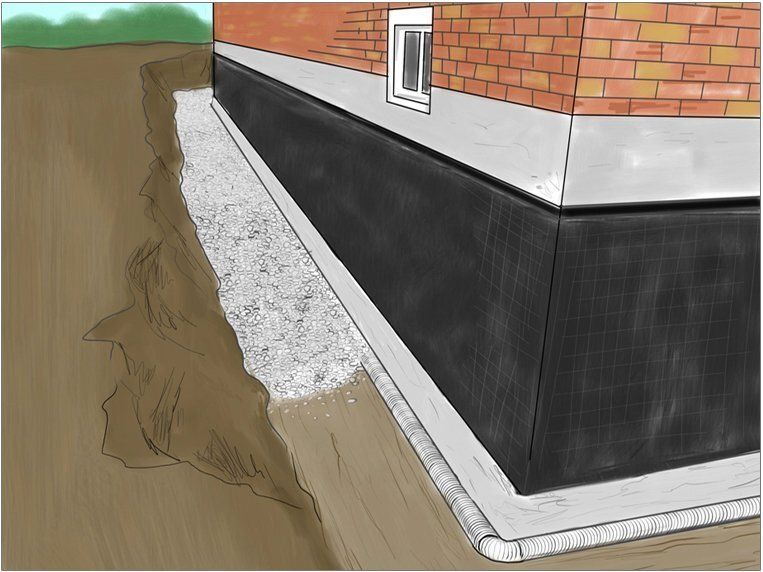
basement foundation

Check the Foundation 

Before doing any construction work in your basement, check the state of your foundation. It is not unusual for a basement to have cracked walls, which require repairs before any other work is done. Basement walls can develop cracks due to stress. These cracks weaken the concrete and can cause extra foundation problems if you don’t repair them on time. 

If you notice major foundation problems, act quickly and do the appropriate repairs. Otherwise, the stability and safety of your building will be endangered, making the basement renovation more difficult. 

Pinpoint Code Violations 


If your basement is old or the contractor cut corners during the initial construction, you may have some code violations to solve . Besides, you might need specific permits to sort out the violations based on your city regulations. 


The primary issue in most basement finishing projects is the lack of egress windows. These windows are constructed into the ground with a well on the exterior that makes it possible for a grown-up to exit the home via the windows in case of fire. 

You can reach out to your city authorities to learn more about the legal codes and permits. They will highlight to you all the requirements to enrich your floor plans. 

Solve Any Water Issues 

Check your walls, ceiling, and floors carefully for indications of water damage. It’s not uncommon for leaking pipes to go undetected in the basement or for water to drip from your lawn sprinklers, causing mold, rot, and foundation shifting. 

From ensuring that the lawn slopes away from the foundation to fixing leaky pipes, it’s essential to solve water issues before finishing your basement. If you ignore such tentative issues, you may experience major and costly problems later. 

Insulate Properly 
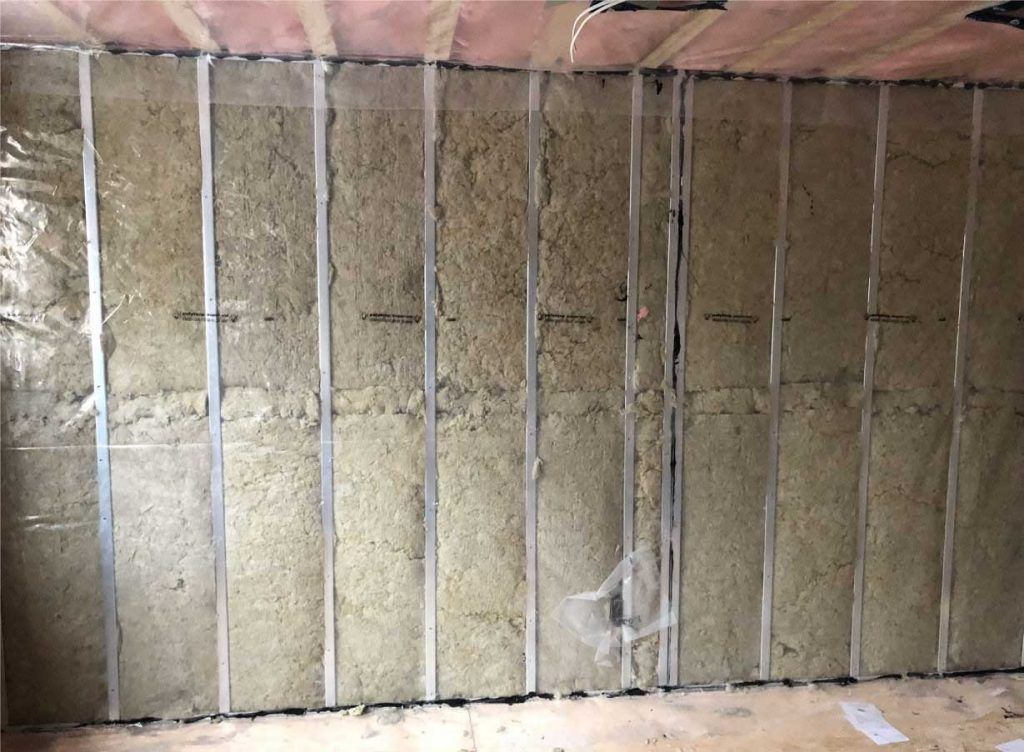
basement insulation

Property owners often hold back on the basement insulation because they spend less time in the basement. Nevertheless, that’s a big mistake that you should not make. 

Basement insulation brings significant energy-saving benefits throughout the year. If you properly insulate your basement, your HVAC system will be functional for fewer hours. Furthermore, the insulation will protect your foundation and property from various weather elements, like heat and cold.     

There are many insulations options to choose from – from fiberglass batts to spray foam. The spray form insulation is highly recommended because of its efficiency. 

Assess the Ceiling 

Here, it would be best if you consider the height first. If your basement was built before the 21st century, it might lack a ceiling since 20th-century designs didn’t follow the strict fire codes we have today. Whether you choose to raise your ceiling to adhere to the current fire codes or for comfort, discuss your preference with a professional contractor. 

Secondly, you should consider access to electrical and plumbing lines, which run along with the basement ceiling. You cannot deny access to these integral features, but you should not leave them exposed, either. In this scenario, you need a drop or suspended ceiling. 

The disadvantage of the above approach is that it can make your basement look more like an office and reduce the room height. Its advantage is that it offers functionality without an unsightly access panel in the ceiling. 

  Contact Assured Basements Today

 At Assured Basements, we have established ways to solve the complexities homeowners and fellow contractors experience when it comes to basement finishing. We will take away all the stress and hassle of managing basement renovations and allow you to continue with your regular schedule uninterrupted. Please  contact us  today to learn more about our services. 

You might also like
April 24, 2026
Why Family Focused Basement Design Matters More Than Ever Basement renovations used to be treated as simple bonus projects. Homeowners finished the lower level, added a television, maybe a sofa, and called it done. Today, families expect much more from their basements. Across Ontario, from Toronto and Mississauga to Brampton, Vaughan, Kitchener, London, and surrounding communities, homeowners are using basement renovations to solve real day to day needs. They want lower levels that feel comfortable, practical, flexible, and genuinely useful for both children and adults. That shift is important because a family basement cannot succeed on appearance alone. It has to work. It needs to support play, downtime, homework, movie nights, guests, storage, and the general unpredictability of family life. In 2026, the best basement renovation trends for families are not about flashy features that look good for a week. They are about thoughtful design choices that make the home function better every day. Families Need More Than Just Extra Space One of the biggest reasons families renovate their basements is simple. Life starts to outgrow the main floor. Toys spread into living areas, teenagers want more independence, work from home routines overlap with family time, and everyone starts competing for quiet, comfort, and room to breathe. A well planned basement can relieve that pressure. But extra square footage alone is not enough. If the basement is poorly laid out, dimly lit, or designed without family routines in mind, it quickly becomes another underused room. That is why family focused basement renovations are different from more generic basement finishing projects. They start by asking how the household actually lives. What do the kids need. What do the parents need. Where does stress build up upstairs. What kind of space would make life feel easier. When those questions drive the renovation, the results are much stronger. Open Layouts Continue to Work Well for Family Basements One of the most useful trends in family basement design is the continued move toward open, flexible layouts. Families rarely need a basement that is boxed into too many small rooms. What they usually need is a space that can adapt. An open lower level gives parents more visibility if younger children are using the space. It also allows the room to shift naturally between uses. A play area during the afternoon can become a movie room at night. A reading corner can become a homework zone. A large open floor plan also makes it easier for the basement to evolve as children grow. What starts as a place for toys and games can later become a teen lounge, workout area, or secondary family room. The goal is not to make everything one large undefined space. It is to create flow while still giving each zone enough identity to feel purposeful. Zoned Spaces Are Replacing One Room Designs Families no longer want basements that only do one thing. They want lower levels that support multiple uses without feeling cluttered or chaotic. That is why zoned layouts are becoming one of the smartest family basement trends. A basement can have a media area, a quiet corner for reading or homework, and an open section for kids to play or hang out, all within one larger plan. The zones do not necessarily need full walls. In many cases, furniture placement, lighting, rugs, built ins, or ceiling details can help define one area from another. This approach works especially well for families because it allows more than one thing to happen at once. One child can be watching a movie while another is working at a desk or playing nearby. Parents can still use the room without feeling like the whole basement belongs to only one age group or one purpose. Basement Storage Has Become a Family Essential One of the least glamorous but most important family basement renovation trends is better storage. Families simply have more things to manage. Games, books, blankets, sports equipment, seasonal items, school supplies, electronics, and toys all need a home. Without storage, even the most beautiful basement starts to feel messy and stressful. Built in storage is especially valuable because it keeps the lower level looking calm and organized without relying on temporary baskets or overcrowded furniture. Cabinetry, wall shelving, storage benches, under stair solutions, and custom media units all help create a basement that feels polished while still handling real life. This is one of the clearest examples of a design feature that directly affects how often the room gets used. When a family basement is easy to keep tidy, it stays more enjoyable. Family Rooms Are Getting Softer and More Comfortable A family basement should feel inviting. In 2026, homeowners are moving away from cold or overly formal basement designs and leaning more toward comfort. That means softer furniture, warmer textures, layered lighting, and layouts that invite people to stay in the room rather than pass through it. Large sectionals remain popular for family basements because they work for movie nights, lounging, conversation, and casual gathering. Soft rugs, cozy chairs, and warm neutral color palettes make the basement feel like part of the home rather than a separate zone below it. For families, comfort matters because the lower level often becomes the place where everyone comes together at the end of the day. The room has to support that emotionally as well as practically. Spaces for Kids Are Becoming More Thoughtful The idea of a basement playroom is nothing new, but the way families are approaching these spaces has changed. Instead of designing a room that feels temporary or childlike in a way that quickly dates itself, more homeowners are creating family friendly basement areas that can grow over time. That means choosing finishes that are durable but still attractive, storage that keeps the space manageable, and furniture that works for more than one phase of life. A soft open play area for younger children may later become a creative space, gaming area, or casual hangout as they get older. Good design gives the room that flexibility from the beginning. This approach saves families from having to completely rethink the basement every few years. It also leads to a more cohesive, long lasting renovation. Teen Friendly Basement Design Is Growing in Importance As children get older, their needs change dramatically. Many families find that once the playroom years pass, the basement becomes even more valuable. It can offer teenagers a sense of independence and a place to gather with friends without taking over the main living areas of the house. This is one reason family basement design is increasingly including features that appeal across age groups. Lounge seating, better media setups, game areas, snack zones, and flexible open space all help the basement remain relevant as the family changes. Homeowners are thinking ahead more than they used to, and that makes the lower level a better long term investment. A basement that works for both younger children and teenagers is one of the most useful spaces a family can create. Homework and Quiet Zones Are More Common Now Another notable family basement renovation trend is the inclusion of quieter zones. Families are realizing that the basement does not have to be all energy and entertainment. In many homes, a small desk area, reading corner, study space, or quiet lounge can be just as valuable as the larger gathering areas. This matters because family life often needs both. Kids may need a place to concentrate away from the busier parts of the house. Parents may need a quiet lower level corner to work, read, or decompress. Adding this kind of calmer zone makes the basement more balanced and far more functional during the week. It also supports the idea that a family basement should not be designed only for one type of use. It should support the full rhythm of home life. Durable Finishes Matter More in Family Spaces Family basements need to hold up to real traffic. That means material selection has to go beyond style alone. In 2026, Ontario homeowners are continuing to prioritize finishes that look good but are also practical enough for daily family life. Luxury vinyl plank remains a favorite for many family basements because it offers durability, warmth, and easy maintenance. Performance fabrics, washable surfaces, and low maintenance materials are also becoming more common. Parents want the room to feel beautiful, but they also want to relax in it without worrying about every spill, scratch, or mess. This balance between style and resilience is one of the defining trends in modern family focused renovation. The best rooms feel elevated without becoming fragile. Lighting Has to Support More Than One Mood Family basements are used in many different ways, which means the lighting should be flexible too. Bright, even lighting is useful during the day when kids are playing or doing homework. Softer, warmer lighting is better for movie nights or quiet evenings. This is why layered lighting continues to matter so much. Recessed lights provide overall brightness, while lamps, sconces, dimmers, and accent lighting help the room shift its mood depending on the time and activity. A basement that only has one harsh lighting setting tends to feel less welcoming. One that can move between functions feels much more complete. For family use, lighting is not just a design detail. It changes how comfortable and adaptable the room feels throughout the day. Basement Bathrooms Make Family Use Much Easier A bathroom is one of the most useful additions in any family basement renovation. It increases convenience immediately and makes the lower level far easier to use for longer stretches of time. Families do not have to keep moving upstairs, guests are more comfortable, and the basement begins to feel like true living space rather than overflow square footage. This becomes even more valuable if the basement includes a play area, media room, guest section, or future teen hangout. A bathroom helps support all of those uses and makes the room feel much more complete. Sound Control Helps the Whole House Work Better When a basement becomes an active family zone, sound naturally becomes part of the conversation. Kids playing, movies, gaming, and everyday activity can travel upward if the renovation does not account for it. That is why sound control continues to matter in family basement design. A basement that feels lively without disrupting the rest of the home is a much better long term solution. Proper planning helps the lower level function as a family space while still keeping the main floor comfortable. This is one of those upgrades homeowners may not think about first, but they appreciate strongly once the room is in daily use. Why Family Focused Basement Design Adds Real Value A basement designed around how families actually live offers both lifestyle value and resale value. Buyers are drawn to homes where the lower level feels functional, warm, and adaptable. A family basement that includes storage, comfort, lighting, durable materials, and multipurpose layout planning feels immediately usable. Even buyers without children can recognize the value in a basement that supports flexible living. It feels larger, more complete, and better aligned with modern household needs. That broad usefulness makes family focused basement renovations one of the smartest long term investments a homeowner can make. Why Professional Basement Contractors Make the Difference The best family basements are not created by accident. They depend on smart planning, thoughtful zoning, durable materials, good lighting, storage integration, and a clear understanding of how the lower level will be used over time. Professional basement contractors know how to bring all of those elements together in a way that feels cohesive rather than improvised. They also know how to design a basement that works for the full family, not just one stage of life. That long view is what makes the renovation hold up over time and continue adding value as the household changes. Conclusion: The Best Family Basements Are Designed for Real Life Family basement renovation trends in 2026 are moving in a clear direction. Homeowners want lower levels that are flexible, comfortable, durable, and genuinely useful for both kids and parents. They want rooms that support family time, quiet time, play, storage, entertainment, and everyday life without feeling cluttered or temporary. With the right design approach, a basement can become one of the most loved and most practical parts of the home. If you are planning a family focused basement renovation and want a lower level that truly works for real life, call Assured Basements today at 1-866-580-8484 . Our team designs and builds basements that bring more comfort, function, and long term value to Ontario homes.
April 17, 2026
Why More Ontario Homeowners Are Building Basement Home Offices Working from home is no longer a temporary adjustment for many households. It has become part of everyday life, and that shift has changed what homeowners want from their living spaces. Across Ontario, from Toronto and Mississauga to Brampton, Vaughan, Kitchener, London, and nearby areas, more people are looking at their basements not as overflow space but as an opportunity to create a proper work environment. A well designed basement home office offers something many upper-floor spaces cannot: privacy, quiet, and the ability to separate work from the rest of daily life. For homeowners trying to stay productive while sharing a house with family, noise and distraction are often the biggest challenges. Kitchen tables and spare bedroom desks can work for a while, but they rarely provide the consistency or focus that real work demands. A basement renovation for work from home living solves that problem by creating a dedicated office space designed around comfort, efficiency, and long term usability. A Basement Office Does More Than Add a Desk The most successful basement home office is not just a desk placed in a finished room. It is a space intentionally designed to support the way someone works every day. That means thinking about layout, lighting, sound control, storage, technology, comfort, and even how the room affects concentration over time. A lower level office can be one of the most valuable additions a basement renovation includes because it changes how the home functions overall. When work has a defined place, the rest of the house feels less disrupted. Family members are not working around a temporary setup, and the person using the office can step into a more focused environment each day. That separation has real value, both professionally and personally. Why the Basement Is Often the Best Place for a Home Office One of the biggest advantages of placing an office in the basement is privacy. Unlike the main floor, which is often connected to the busiest parts of the home, the basement naturally creates distance from household activity. That distance matters if calls, meetings, deadlines, or focused work are part of the daily routine. The basement also gives homeowners more flexibility in how the office is designed. A spare bedroom office often has to share space with other uses or fit into an awkward footprint. A basement renovation can create an office that actually matches the work being done, whether that means room for a large desk, built in storage, video conferencing, or a sitting area for reading and planning. For some homeowners, the basement office is purely about productivity. For others, it becomes part of a broader lower level design that includes a family room, guest area, or wellness zone. Either way, the office benefits from being in a part of the home that can be more intentionally shaped. The Right Layout Makes All the Difference Layout is one of the most important parts of any basement office renovation. A work from home space needs to feel calm, efficient, and easy to use, not squeezed into whatever room happens to be available. The office should support movement, concentration, and comfort throughout the day. Some homeowners do best with a fully enclosed office, especially if privacy and noise control are top priorities. Others prefer an open concept office zone within a larger finished basement. The best approach depends on the kind of work being done. Someone who spends much of the day on calls may benefit from a more enclosed room, while someone doing creative or independent work may prefer a brighter, more open setup. What matters most is that the office feels intentional. There should be enough room for the desk and chair to sit comfortably, enough storage to avoid clutter, and enough visual separation that the workspace feels distinct from the rest of the basement. Lighting Is Essential in a Basement Office Lighting plays a huge role in how productive a basement office feels. Basements naturally have less daylight, so the artificial lighting plan needs to be handled carefully. A poorly lit office can quickly feel draining, while a well lit one can help support focus and energy. The best basement office lighting balances brightness with comfort. Recessed ceiling lighting often works well as a base layer, especially in finished basements where ceiling height matters. From there, task lighting becomes important. A desk lamp or focused work light can improve comfort and reduce eye strain, especially for homeowners who spend long hours on screens. Natural light should also be used wherever possible. If the basement has windows, the layout should support them rather than block them. Even modest daylight can make a work from home office feel more open and less isolated. In 2026, more homeowners are intentionally designing basement offices around available light because they know how much it affects mood and productivity. Sound Control Is One of the Biggest Benefits A basement office only works well if it feels relatively quiet. That is one of the reasons many homeowners choose the lower level in the first place. But if the office is placed beneath a busy kitchen or family area without any sound planning, the basement may still pick up more noise than expected. This is where sound control becomes one of the smartest parts of a basement office renovation. Proper construction, insulation, and design choices can make a major difference in reducing the transfer of footsteps, conversations, and everyday household noise. For people who spend time on video meetings or need long periods of concentration, this can be one of the most valuable upgrades in the entire renovation. A quieter office is not just more professional. It is easier to work in, easier to stay focused in, and easier to treat as a true workspace. Storage Keeps the Office Functional A basement office can look beautiful on day one and then slowly lose its appeal if there is nowhere to put anything. Papers, equipment, chargers, books, notebooks, printers, and work materials all need a place. Without proper storage, clutter builds quickly and starts to affect how the office feels. Built in shelving, cabinetry, drawers, and closet storage can all help keep the room organized without making it feel crowded. In many basement office renovations, this is where custom planning really pays off. Storage can be designed around the way the homeowner actually works rather than added later as an afterthought. An organized office tends to feel calmer and more efficient. That has a direct effect on how often the space gets used and how productive it feels over time. Comfort Matters More Than Many People Expect A basement office is not just a place to work. It is often a place where someone spends many hours each week. That means comfort has to be part of the design from the beginning. Flooring, temperature control, seating, and even the visual atmosphere of the room all matter. Basements can naturally feel cooler than upper floors, so insulation and HVAC planning are important. The office should feel comfortable year round, not slightly chilly or stale. Flooring should also support daily use. A hard surface may work well if it is paired with a chair mat or rug, while some homeowners prefer a warmer underfoot feel in dedicated office zones. The more comfortable the room feels, the more likely it is to support consistent, focused work. A good basement office should feel like part of the home, but with enough separation that it also supports professional routines. Designing for Video Calls and Hybrid Work One of the realities of work from home living is that the office is often visible to other people. Video calls, remote meetings, and online presentations have made the visual background of a home office more important than it used to be. A basement office renovation is a chance to create a space that works well both in person and on screen. That does not mean the room needs to feel staged. It just means the design should consider what appears behind the desk, how the lighting hits the face, and whether the room feels polished enough for professional use. Built ins, simple art, neutral tones, and clean organization all help create an office that looks as good as it functions. This is one of the subtle ways basement office design has changed in recent years. The room is no longer just for the person using it. It is often part of how they appear professionally too. A Basement Office Can Still Be Flexible Even if the basement office is the priority, it can still be designed with flexibility in mind. Some homeowners want the room to double as a guest room in the future. Others may want the basement to support changing work needs over time. The smartest renovations make room for that adaptability. This might mean leaving enough space for a daybed or pullout sofa, using furniture that can evolve, or designing storage that can serve multiple purposes later. It could also mean placing the office in a location that would one day work as a bedroom or quiet lounge if work from home needs change. That flexibility adds long term value because it allows the space to evolve with the household rather than becoming too specific to one phase of life. A Basement Home Office Adds Real Value to the Home From a resale standpoint, a finished basement office can be a strong asset. Buyers increasingly value homes that support flexible work arrangements, and a polished lower level office helps a property stand out. Even if a future buyer does not use the space exactly the same way, they will still appreciate the layout, privacy, and function it offers. In Ontario’s current housing market, a home that supports remote work well can have a meaningful edge. A basement office is no longer a niche feature. For many buyers, it is a practical and desirable part of modern living. Why Professional Basement Contractors Matter A basement office renovation may sound straightforward, but it works best when it is planned as part of the basement as a whole. Ceiling height, lighting, ventilation, sound control, electrical placement, internet access, and finish selection all have to come together to make the office truly effective. Professional basement contractors understand how to create a lower level office that feels comfortable, polished, and highly usable. They also know how to design around structural and mechanical realities without compromising the look or function of the room. That expertise makes a major difference in whether the office feels like a true work environment or simply a desk in a finished basement. Conclusion: A Basement Home Office Can Make the Whole House Work Better A basement renovation for work from home living is one of the smartest ways to improve both productivity and everyday comfort. In 2026, Ontario homeowners are increasingly recognizing that a dedicated lower level office can create better focus, stronger work life boundaries, and more flexibility for the entire household. With the right layout, lighting, storage, and sound control, a basement office becomes much more than a convenient workspace. It becomes a lasting improvement to how the home functions overall. If you are planning a basement renovation and want to create a home office that feels professional, comfortable, and built for real life, call Assured Basements today at 1-866-580-8484 . Our team designs lower level spaces that support productivity, comfort, and long term value.
April 10, 2026
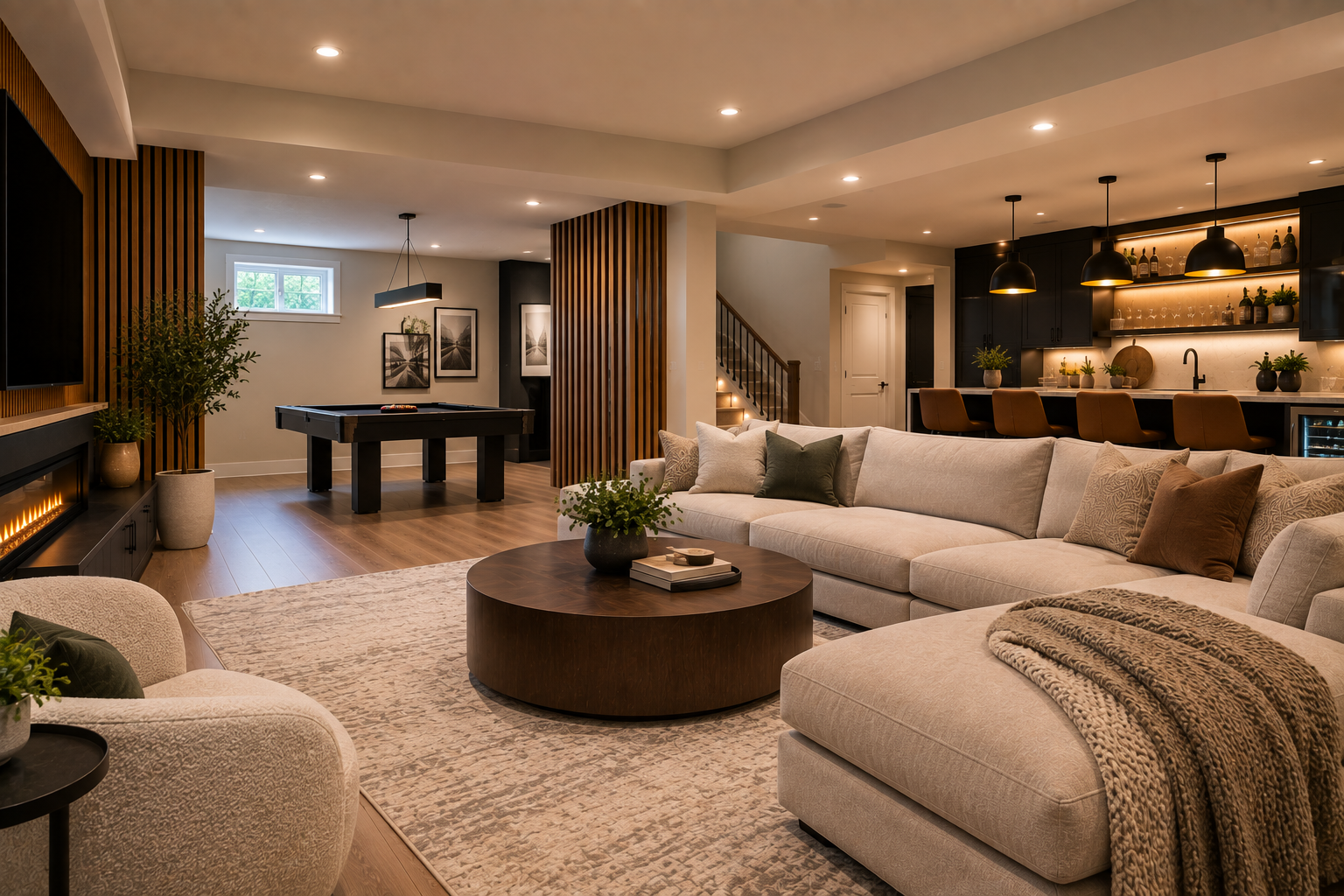
Why Basements Make Such Great Entertainment Areas A well designed basement can become one of the most enjoyable spaces in the entire home. It has the separation, privacy, and flexibility that main floor spaces often lack. That is why more homeowners across Ontario are using basement renovations to create entertainment focused lower levels that work in every season. In cities like Toronto, Mississauga, Brampton, Vaughan, Kitchener, London, and surrounding areas, families are looking for spaces where they can relax, host, watch movies, play games, and spend time together without feeling crowded. A basement entertainment room answers that need in a way few other renovations can. Part of the appeal is practical. Winters are long, weather changes quickly, and many families want more ways to enjoy time at home throughout the year. A finished basement designed for entertainment gives homeowners a dedicated area that feels welcoming whether it is a cold January evening or a summer weekend with guests over. When designed properly, it becomes more than a bonus room. It becomes a go to destination inside the home. Entertainment Means More Than Just a Television on the Wall One of the biggest mistakes homeowners make is assuming that a basement entertainment space starts and ends with a large screen. While a television or projector may be a major part of the room, true entertainment design goes beyond that. It considers how people will use the space, how they will move through it, where they will sit, how lighting will work, where snacks and drinks will go, and what kind of atmosphere the room should create. Some families want a movie night environment with deep seating and softer lighting. Others want a more social layout with room for games, conversation, and sports nights. Some want a hybrid space that works for children during the day and adults at night. The best basement entertainment rooms are designed around actual habits and routines, not just a single feature wall. Start With How You Want the Room to Feel Before choosing finishes, furniture, or electronics, it helps to think about mood. Do you want the basement to feel cozy and cinematic, bright and social, relaxed and lounge like, or flexible enough to support several uses at once. This decision shapes nearly every other part of the design. A darker media room with layered lighting creates a completely different experience than a brighter open concept entertainment basement with a bar and games area. Neither one is wrong. The best choice depends on the kind of entertaining you actually do. A family that loves casual gatherings may want openness and flow. A homeowner focused on movies and immersive viewing may want a more enclosed feel with stronger sound control. When the emotional tone of the room is clear early on, the rest of the design becomes much easier to shape. Layout Is What Makes an Entertainment Basement Work The layout of a basement entertainment room matters more than most people expect. It is not enough to place a sofa in front of a screen and assume the room will work itself out. Seating distance, walkway clearance, traffic flow, lighting placement, and storage all need to support how the room will actually be used. In many Ontario basements, open concept layouts work well because they allow the entertainment area to feel spacious and connected to nearby features. That could include a wet bar, a game table, a small kitchenette, or a lounge corner. In other homes, a more defined media area makes sense, especially if sound control and viewing angles are a priority. The most successful entertainment basements feel easy to use. People can move naturally through the room, find a seat comfortably, and enjoy the space without feeling cramped or disconnected. Seating Should Be Comfortable but Also Practical Entertainment spaces live or die by the seating. If people are not comfortable, they will not stay there long. That does not necessarily mean every basement needs theatre recliners. In many homes, a large sectional is actually the better choice because it supports a wider range of uses. It works for movie nights, family gatherings, casual conversations, and relaxed lounging. The key is scale. Basement furniture needs to fit the room. Oversized seating in a lower level with modest square footage can make the basement feel tighter than it is. On the other hand, seating that is too sparse can leave the room feeling unfinished or less inviting. The goal is to balance comfort with openness. In more premium entertainment basements, some homeowners mix seating types. A sectional can anchor the media area while accent chairs or stools support social overflow and create more flexibility when hosting. Lighting Makes the Space Feel Usable All Year Lighting has a huge influence on how successful a basement entertainment room feels. It affects mood, visibility, comfort, and the way the room transitions between different uses. Since basements naturally have less daylight, artificial lighting needs to do a lot of work. A year round entertainment space usually benefits from layered lighting. Recessed ceiling lights can provide the main brightness when the room is being used socially or for general family time. Dimmers are especially useful because they allow the room to shift into a softer mood for movies or evening relaxation. Accent lighting around shelves, built ins, or bar areas adds warmth and visual depth. The goal is flexibility. A basement entertainment room should feel bright enough to host but soft enough to unwind in. That balance is what makes it usable in every season and at every time of day. Sound Matters More Than People Think An entertainment focused basement is one of the clearest examples of why sound planning matters in basement renovations. Whether the room is used for movies, sports, gaming, or gatherings, noise can travel quickly into the rest of the house if soundproofing is ignored. At the same time, acoustics inside the basement also matter. A room with too much echo or poor sound balance can feel less comfortable, even if the equipment is high quality. This is why the best basement entertainment rooms are designed with both internal sound quality and household sound control in mind. Proper sound planning makes the room feel more immersive while also protecting the peace of the rest of the home. For families, that can be the difference between a basement that gets used often and one that causes tension. A Wet Bar or Snack Area Adds a Whole New Layer of Function One of the most popular additions in entertainment focused basement renovations is a wet bar or snack zone. It does not have to be oversized or elaborate to make a difference. Even a compact bar area with cabinetry, a beverage fridge, countertop space, and open shelving can dramatically improve how the room functions. The value of a bar or refreshment area is convenience. It allows people to stay downstairs rather than constantly moving back and forth to the kitchen upstairs. It also helps the basement feel more self contained and complete, especially when entertaining guests. In 2026, many Ontario homeowners are choosing warm wood cabinetry, quartz counters, modern shelving, and soft accent lighting for these areas. The result feels refined without becoming overly formal. Storage Keeps the Room Looking Good An entertainment basement can quickly lose its appeal if it becomes cluttered. Remotes, gaming accessories, blankets, speakers, board games, kids’ items, and bar supplies all need a place to go. Storage is what keeps the room feeling polished and ready to use. Built ins are especially effective because they combine style with practicality. A custom media wall, lower cabinetry, floating shelves, or concealed storage units can all help maintain a clean look. In family basements, this matters even more because the room often has to support both adult entertaining and everyday household use. Storage is one of those things homeowners appreciate more over time. It may not feel exciting during the planning stage, but it often becomes one of the most valuable parts of the finished design. Flooring Has to Handle Real Life Because an entertainment basement sees regular use, the flooring needs to balance comfort and durability. It should feel warm and inviting, but it also has to stand up to foot traffic, snacks, drinks, and daily life. Luxury vinyl plank remains one of the strongest flooring choices for entertainment basements because it offers the look of wood with the durability and moisture resistance that below grade spaces need. In rooms where a softer, more cinematic feel is preferred, area rugs can be layered in to add warmth and improve acoustics without creating the maintenance concerns of full carpeting. The right flooring helps the basement feel comfortable year round and supports both style and practicality. Making the Space Work for Adults and Kids One of the best things about a basement entertainment room is that it can evolve with the family. During the day, it may be where kids play games, watch movies, or spread out with friends. In the evening, it may become a more relaxed adult space for sports, conversation, or hosting. The most successful entertainment basements support both without feeling like they are trying to be too many things at once. This usually comes down to planning the room with enough flexibility. Durable materials, good storage, layered lighting, and a layout that does not depend on one rigid use all help the space adapt naturally over time. That flexibility is a major part of what gives a basement entertainment room lasting value. It is not just fun now. It continues to serve the household well as routines and family needs change. Entertainment Basements Add Real Resale Appeal From a resale standpoint, a finished basement designed for entertainment is highly attractive because buyers can instantly understand how the space could improve their lifestyle. It feels emotional and practical at the same time. Buyers can picture movie nights, family time, guests, sports viewing, or a place for teenagers to gather. That kind of immediate emotional connection matters. A basement that feels inviting and well designed often leaves a stronger impression than one that is technically finished but lacks purpose. Entertainment spaces help a basement feel alive, which makes the whole home feel more complete. Why Professional Basement Contractors Matter A great entertainment basement is not just about furniture and electronics. It depends on proper layout planning, lighting, sound, storage, moisture control, electrical work, and finish selection all working together. This is where experienced basement contractors make a real difference. They understand how to design a space that feels balanced, how to work around ceiling limitations and bulkheads, how to create the right lighting atmosphere, and how to make the basement function beautifully in real life. They also help homeowners avoid common mistakes like poor seating placement, harsh lighting, weak sound control, or cluttered layouts. Conclusion: A Well Designed Entertainment Basement Becomes One of the Best Rooms in the House A year round basement entertainment space adds far more than a television area to your home. It creates a place where people actually want to gather, relax, and enjoy time together no matter the season. In 2026, Ontario homeowners are increasingly using basement renovations to create lower levels that feel warm, social, and deeply functional. With the right layout, lighting, seating, storage, and design approach, your basement can become one of the most enjoyed spaces in the entire home. If you are planning a basement renovation and want to create an entertainment space that feels comfortable, polished, and built for real life, call Assured Basements today at 1-866-580-8484 . Our team designs and builds basements that bring more comfort, value, and enjoyment to your home.

Get Your Basement Renovated In Toronto By Assured Basements

Get A Free Estimate